Romantic Peony Daisy Garden Pattern: A Designer's Guide
Imagine a design element that instantly evokes soft elegance, botanical charm, and a touch of vintage romance. This is the power of a well-crafted Romantic Peony Daisy Garden Pattern. For designers and creators seeking versatile, high-quality assets, such patterns are not just decorative—they are foundational tools for building compelling visual narratives across countless projects.
Understanding the Pattern's Role in Modern Design
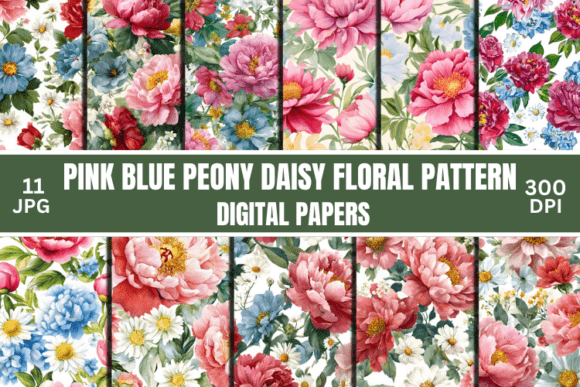
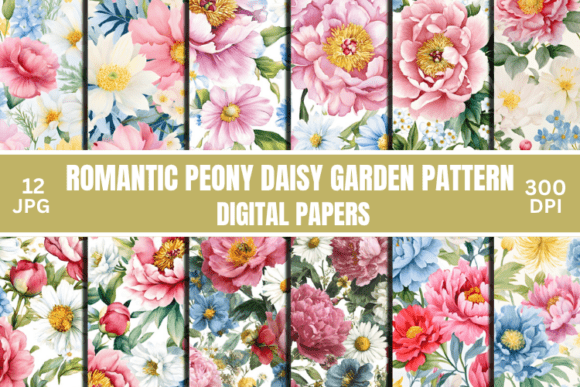
A Romantic Peony Daisy Garden Pattern transcends simple floristry. It's a curated visual system that combines the lush, full blooms of peonies with the cheerful simplicity of daisies, often rendered in a soft, watercolor style. This blend creates a unique aesthetic that feels both timeless and contemporary. In graphic design, such a pattern serves as a powerful creative asset, offering instant visual impact and thematic depth. It can define a brand identity, set the tone for a marketing campaign, or elevate a packaging design from ordinary to memorable.
The true value lies in its seamless, repeatable nature. A high-resolution, 300 DPI file ensures clarity and detail, whether it's scaled for a tiny sticker or a large backdrop. This scalability is critical for maintaining professional print design and digital marketing standards, ensuring your visuals remain crisp and engaging at any size.
Practical Applications for Creative Projects
This floral pattern is incredibly adaptable, making it a staple in a designer's toolkit. Its pastel palette and detailed botanical artwork lend themselves to a wide range of uses:
- Branding & Logo Design: Use it as a subtle background texture for business cards, letterheads, or website headers to communicate elegance and approachability.
- Packaging & Merchandise: Ideal for sublimation on tumbler wraps, mugs, tote bags, and apparel. The pattern adds perceived value and a custom feel to physical products.
- Event & Editorial Design: Create stunning invitations, menus, and programs for weddings, birthdays, or graduation parties. It also works beautifully as a background for social media graphics and blog post features.
- Digital & UI Design: Incorporate it as a hero image background on websites or as a decorative element in app interfaces to add warmth and personality, enhancing the overall user experience.
Tips for Selecting and Using Floral Patterns Effectively
Not all patterns are created equal. When integrating a Romantic Peony Daisy Garden Pattern into your work, consider these factors to ensure a polished result:
- Consistency is Key: Ensure the pattern's style—watercolor, flat, or lined—aligns with your project's overall aesthetic and other visual elements like typography and icons.
- Master the Visual Hierarchy: A busy pattern can overwhelm text. Use it strategically as a background, overlay it with semi-transparent shapes, or employ it in sections to guide the viewer's eye without causing clutter.
- Color Palette Harmony: While the pattern has its own colors, you can adjust saturation or overlay it with brand colors to create a cohesive color palette that strengthens your brand identity.
- Audience & Purpose: This pattern suits themes of romance, nature, celebration, and sophistication. Match it to your audience's expectations and the project's goals, whether it's a Mother's Day promotion or a summer graduation celebration.
Elevating Your Design Workflow
Investing in high-quality digital papers, like this set of 12 seamless JPGs at 12x12 inches, streamlines your design workflow. Instead of spending hours creating a base pattern, you can focus on customization and application. This efficiency is crucial for meeting deadlines and maintaining a high standard of output across creative projects.
Ultimately, thoughtful design choices communicate care and professionalism. A meticulously crafted asset like a floral pattern does more than decorate; it tells a story, evokes emotion, and builds a cohesive visual world. By selecting resources that offer both beauty and technical excellence, you empower yourself to create work that resonates deeply and achieves its communicative goal, whether for a client's brand identity or your own artistic expression.