Soft Neutral Wildflower Botanical Pattern: A Designer's Guide
In the ever-evolving landscape of visual design, the search for assets that are both timeless and contemporary is a constant. The Soft Neutral Wildflower Botanical Pattern emerges as a quintessential resource, offering a delicate balance of organic beauty and modern restraint. This versatile design element transcends mere decoration, serving as a foundational tool for creating sophisticated visual narratives across a multitude of platforms and media.
Understanding the Aesthetic and Its Design Value
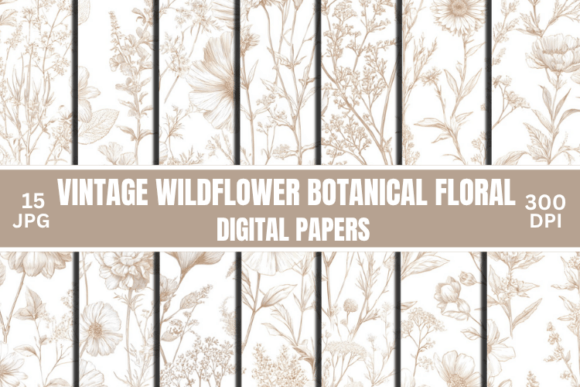
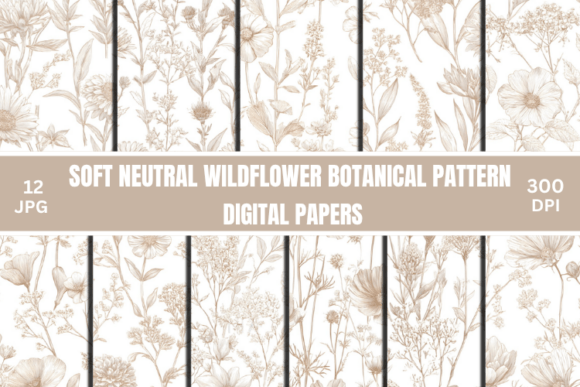
At its core, this pattern is characterized by its muted, earthy color palette and hand-drawn botanical illustrations. It avoids harsh contrasts, instead relying on subtle tonal shifts to create depth and interest. In modern graphic design, such a style is invaluable. It communicates calm, authenticity, and a connection to nature, aligning perfectly with current trends that favor organic aesthetics over stark minimalism. For branding, it establishes a gentle yet memorable visual identity. In user interface design, it provides a non-intrusive background that enhances content readability without sacrificing character.
Practical Applications for Creative Professionals
The true strength of a well-crafted pattern lies in its adaptability. Here’s how designers and creators can leverage this asset:
- Brand Identity & Logo Design: Use the pattern as a secondary brand element in stationery, business cards, or as a subtle texture within logo marks to add warmth and sophistication.
- Packaging Design: Ideal for artisanal products, cosmetics, or wedding favors. The seamless repeat ensures professional, continuous coverage on boxes, labels, and tissue paper.
- Digital Marketing & Social Media: Create cohesive Instagram story backgrounds, Facebook cover photos, or email newsletter headers that stand out with a refined, organic feel.
- Editorial & Web Design: Serve as a subtle background for blogs, online portfolios, or magazine layouts. It adds visual interest without overwhelming typography or key content.
- Merchandise & Print-on-Demand: Perfect for custom products like tote bags, notebooks, phone cases, and apparel. The high-resolution 300 DPI file ensures crisp prints on items like tumbler wraps and mugs.
Integrating the Pattern into Your Design Workflow
When selecting and applying any creative asset, strategic thinking is paramount. First, consider the color palette. The soft neutrals in this pattern make it exceptionally compatible with a wide range of brand colors, allowing for flexible integration. Pair it with clean, sans-serif typography for a contemporary look, or with elegant serifs for a more classic feel.
Evaluate the pattern’s visual hierarchy. Its strength is as a supporting player. Use it to frame content, create section dividers, or add texture to large areas. Avoid placing complex text directly over the most detailed parts of the pattern to maintain readability. For digital products like printable birthday party bundles or wedding paper sets, ensure the pattern’s scale is appropriate for the application—larger for backdrops, smaller for detailed stationery.
Conclusion: Elevating Design with Thoughtful Assets
Choosing the right creative assets is a critical step in the design process that directly impacts the effectiveness and professionalism of the final output. A resource like the Soft Neutral Wildflower Botanical Pattern provides more than just aesthetic appeal; it offers a solution for creating cohesive, engaging, and high-quality visual communications. By thoughtfully integrating such versatile elements, designers and creators can streamline their workflow, strengthen brand narratives, and produce work that resonates deeply with their audience, ensuring every project—from a simple greeting card to a comprehensive marketing campaign—achieves its full potential.